
What Is Discovery-Led Hiring?
Discovery-led hiring follows six stages: Discover, Define, Headhunt, Understand, Evaluate and Start well. See how the role and evidence guide the search.
Open the guide Let’s talk
Ideas for better work and stronger teams. Explore people, hiring, leadership and AI through guides, conversations and the thinking behind our work.
36 resources
Try a shorter search or choose another topic.
Discovery-led hiring follows six stages: Discover, Define, Headhunt, Understand, Evaluate and Start well. See how the role and evidence guide the search.
Open the guide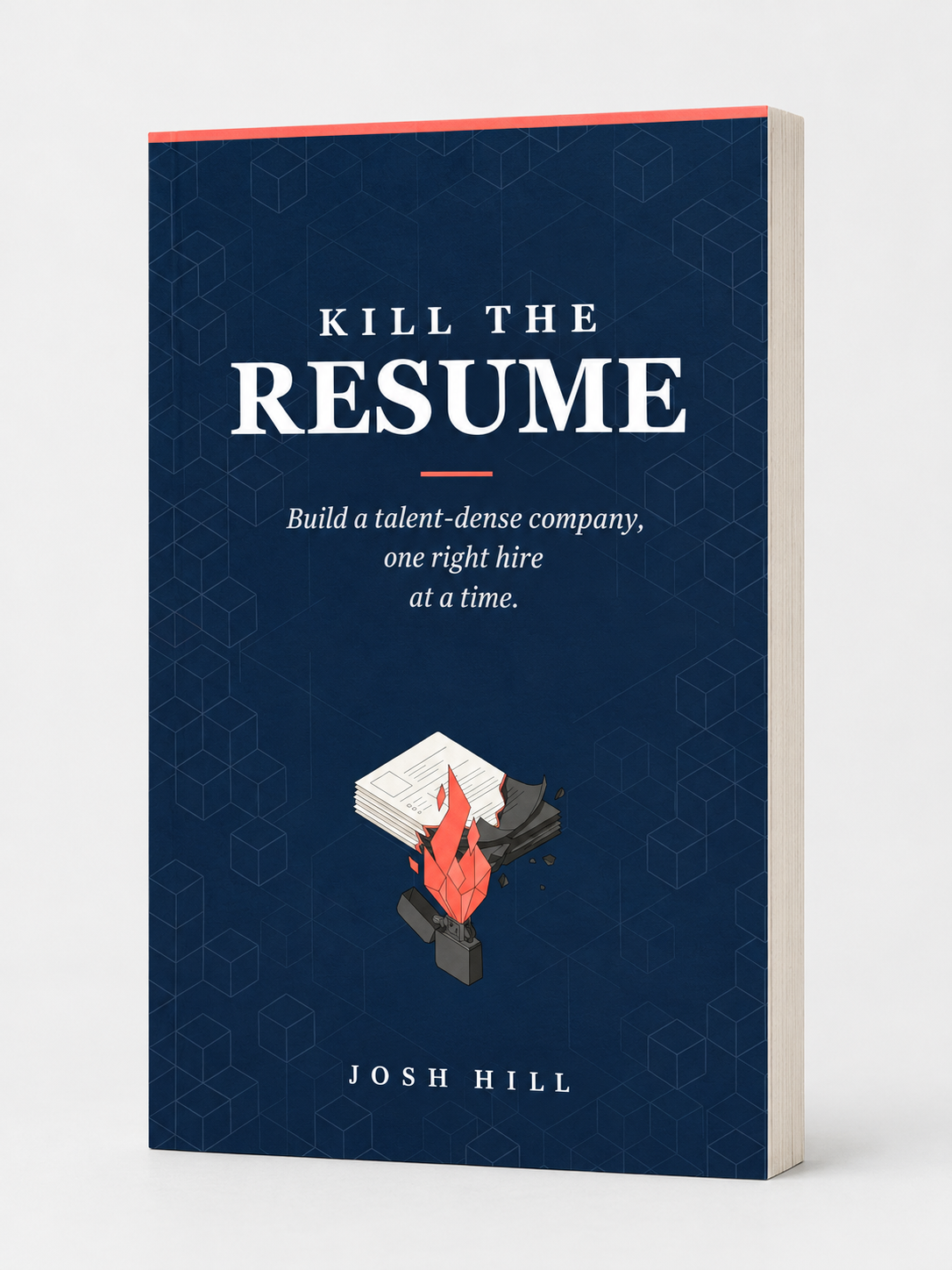
A practical guide to defining the work, finding the right people and building a stronger team. Start with the job your business needs, then find the person who can grow with it.
Read the book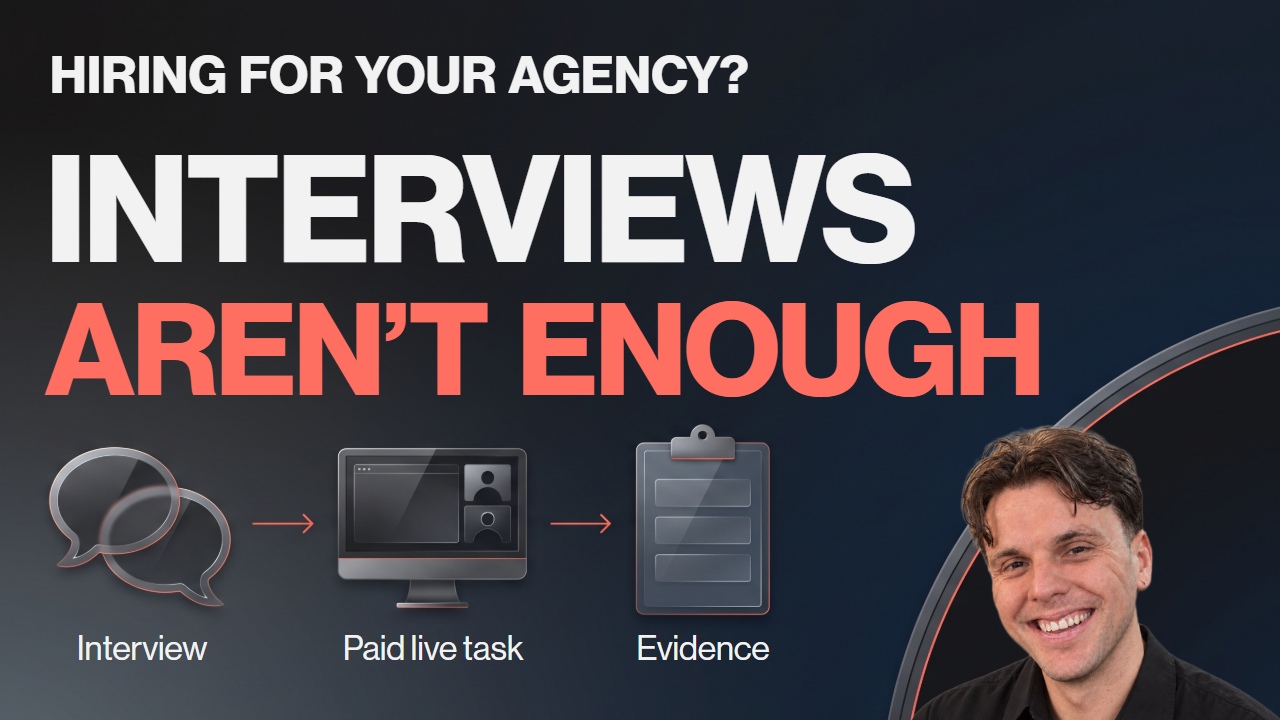
Hiring for your agency? Learn how to design, prepare and run a paid, live work simulation before making an offer.
Watch the lesson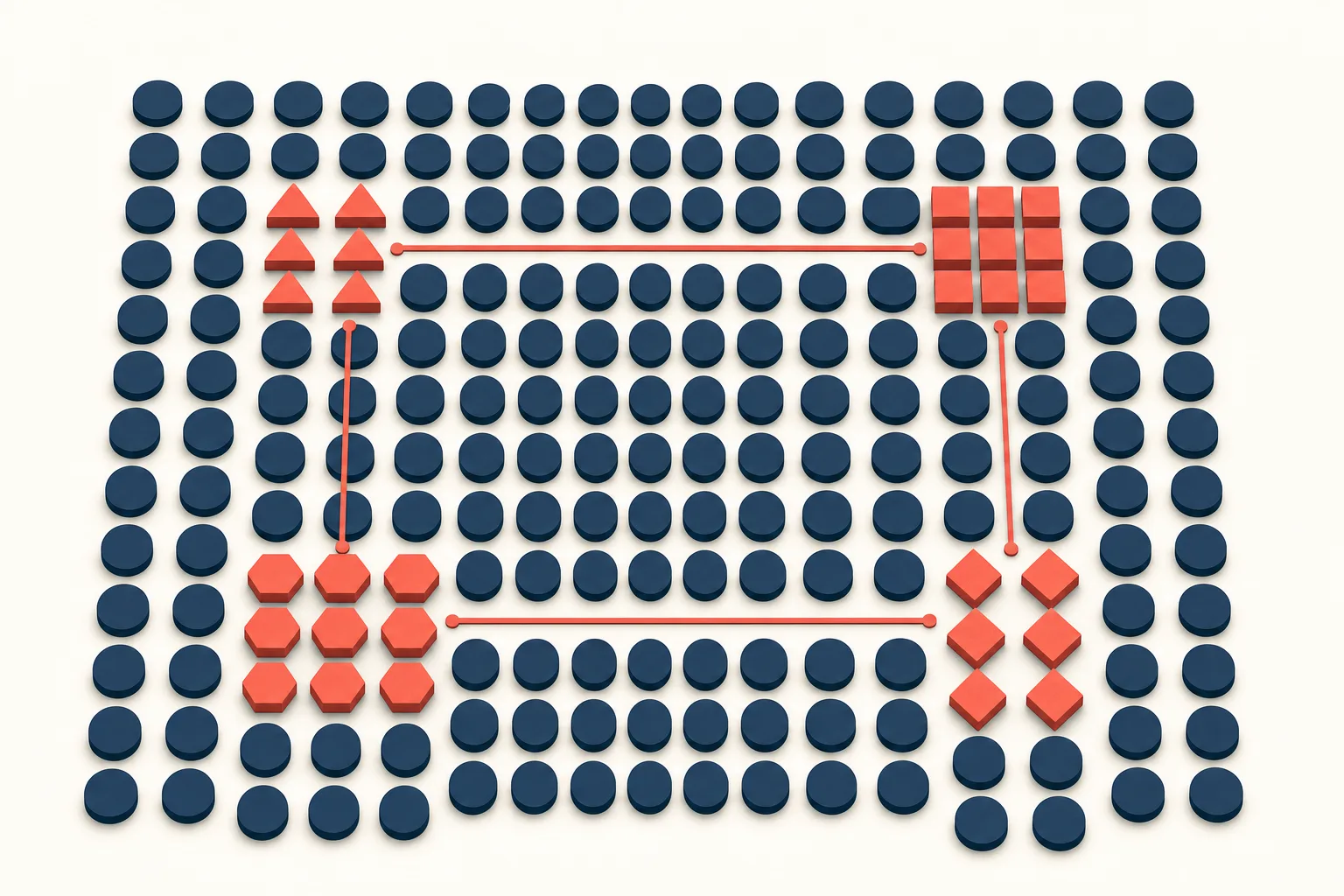
Behavioral matching looks at what someone needs from work across functional, social, and emotional Work Drivers. How it works and why it beats interviews alone.
Open the guide
AI handles searching. Humans own judgment. The companies getting this right combine them deliberately. Here's the partnership framework that actually works.
Read the article
Where AI can improve the experience for employees and candidates.
Listen to the conversation
Why role context, candidate needs and honest conversations matter.
Listen to the conversation
Clear roles, useful systems and the people who help a business grow.
Listen to the conversation
An agency hiring framework, from the work you need to the people you approach.
Listen to the conversation
Role clarity, Work Drivers™ and the conditions people need to do great work.
Listen to the conversation
Where AI can help recruiting, and where human judgement still matters.
Listen to the conversation
You have been comparing recruiter fees for fifteen minutes. You have been comparing recruiter outcomes for zero. The fee structure does not just determine what you pay. It determines what you get, how long it lasts, and what you own when it is over.
Read the articleA contingency fee rises with the salary. A flat fee is agreed before the search and doesn't rise with pay. Here's what that changes for your next hire.
Open the guide
Platform certifications prove a media buyer knows the dashboard. They do not prove what happens when the dashboard turns red at 4:30 on a Friday and the client is on the phone. Here is what actually predicts performance under pressure.
Read the article
Your best account manager might be your most expensive employee. Not because of their salary, but because every time they say yes to a client request outside the SOW, your delivery team absorbs the cost. Here is how to hire for protection instead of compliance.
Read the article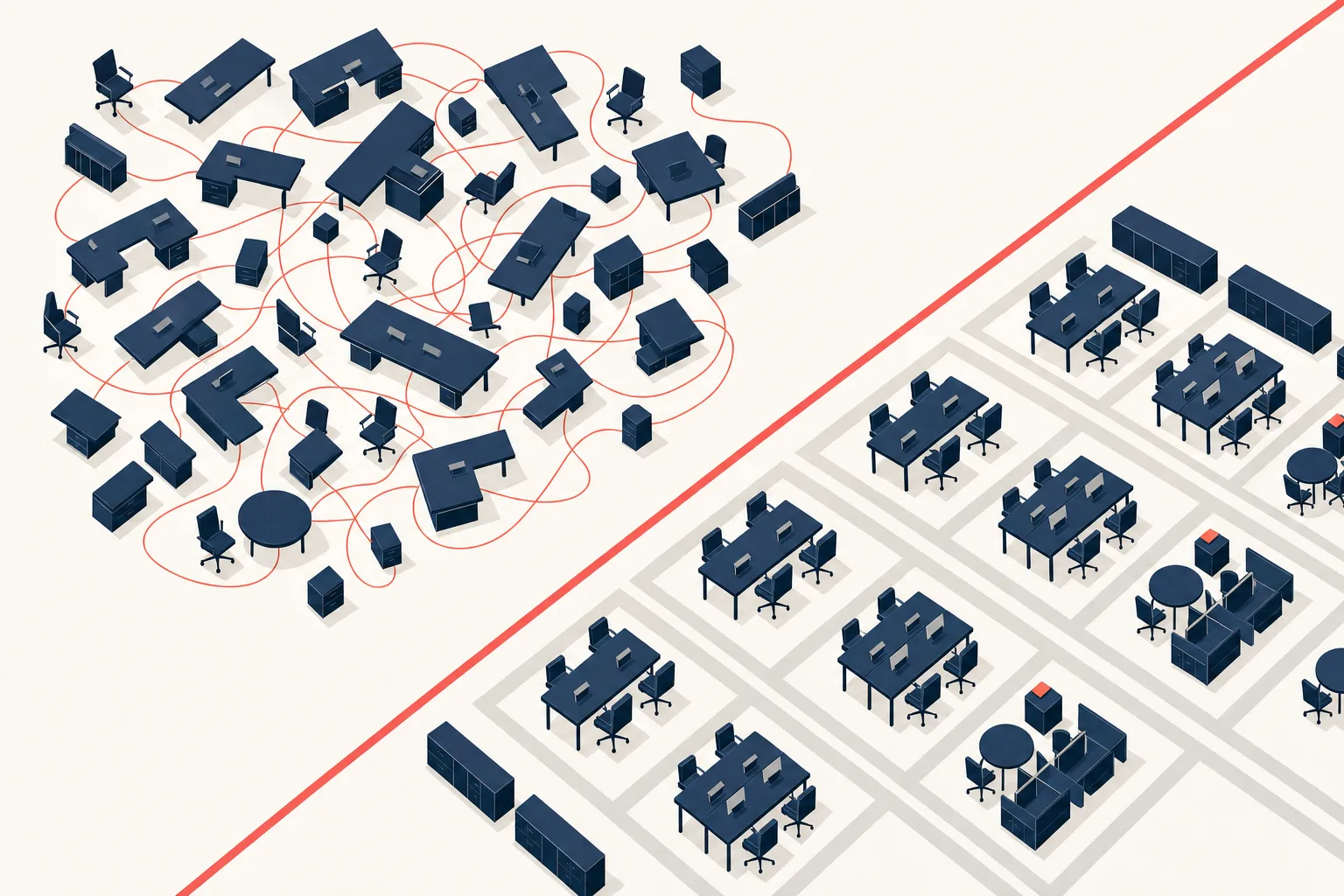
You built this agency because you are good at the work. Now the work is managing the agency. Two competent ops managers already failed. Not because they were wrong. Because the role was undefined and they needed it to be defined before they could begin.
Read the article
Using AI without losing the human connection at the heart of great hiring.
Listen to the conversation
Transferable skills, real culture and the role of human judgement.
Listen to the conversation
Looking at work as something people choose, not just something a business needs done.
Listen to the conversation
How discovery calls and practical work help you make a clearer hiring decision.
Listen to the conversation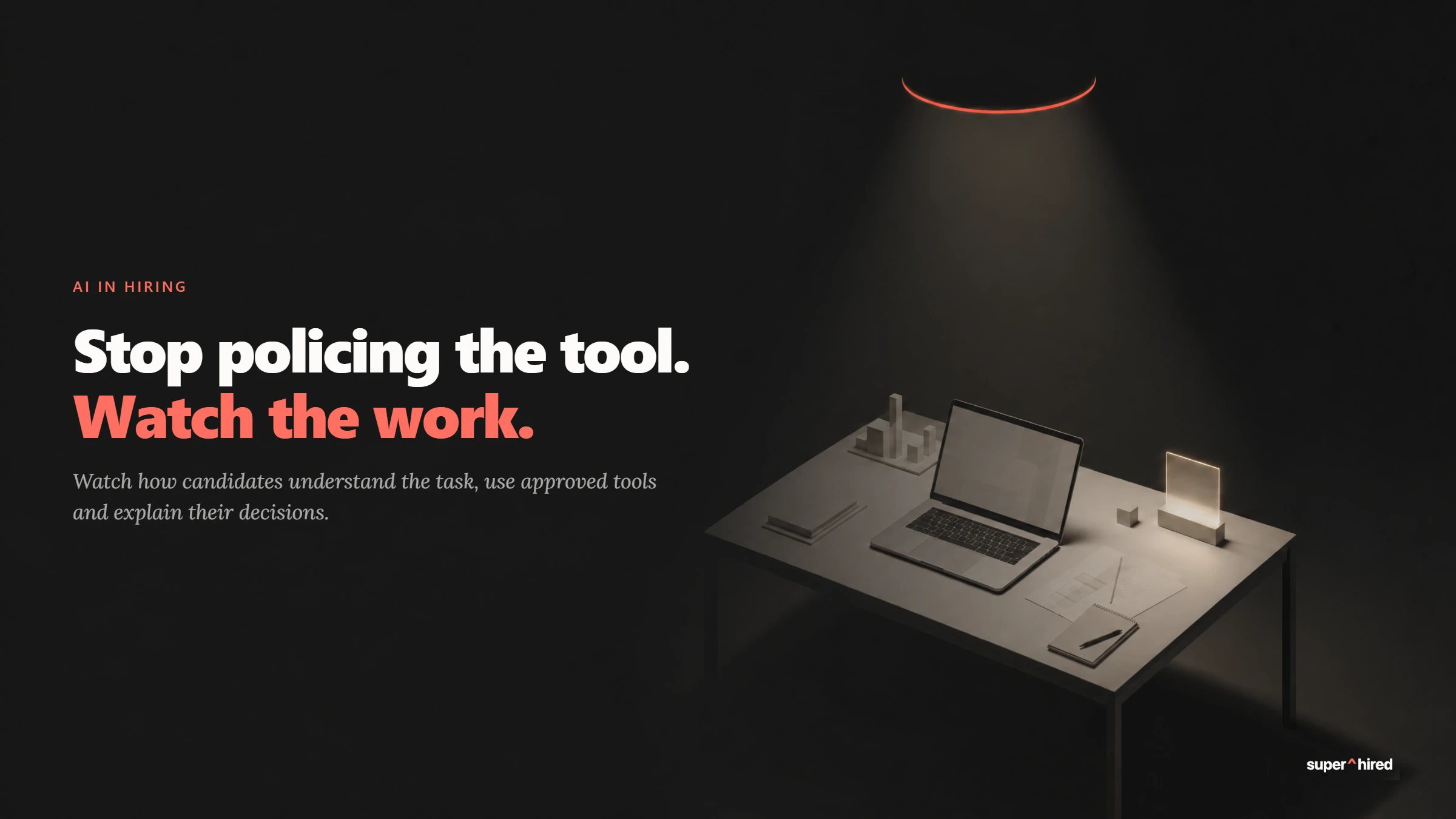
See how candidates understand the work, use approved AI tools and explain their decisions through a paid, role-specific Work Simulation.
Read the article
How clearer discovery helps you make a better hiring decision.
Listen to the conversation
You have been asking questions that test how well someone interviews. Not how well they work. Here are 12 questions, organized by four dimensions of fit, that you can use in your next interview.
Read the article
Why the impact of a hiring decision reaches well beyond the recruitment fee.
Listen to the conversation
An agency founder tried twice to hire an operations manager. Both failed within four months. The third time, someone asked the right questions first.
Read the article
Small experiments that help people teams understand and improve the employee experience.
Listen to the conversation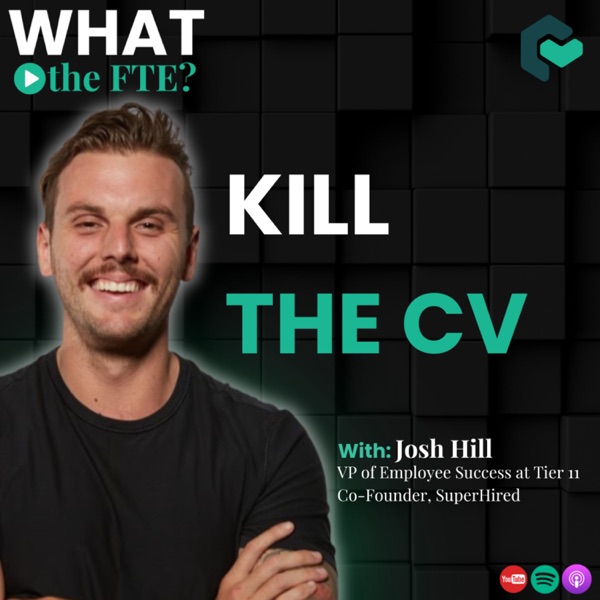
Start with the work, then look for evidence that the person can do it.
Listen to the conversation
You ask recruiting agencies to find great candidates. That is the wrong question. The right question is what your recruiter gets rewarded for. The answer explains why so many placements fail, and what to evaluate instead.
Read the article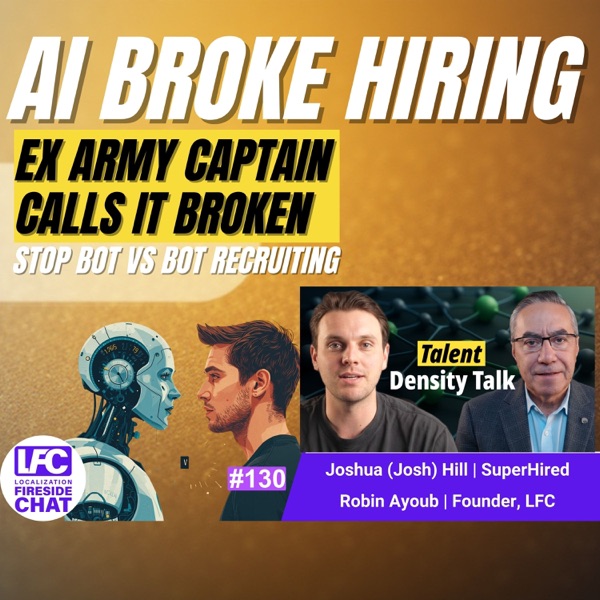
Work design, talent density and the limits of automating a human decision.
Listen to the conversationFour findings from our Work Drivers assessments about what predicts a hire that lasts. Pace, autonomy, and mutual transparency matter more than interview performance.
Read the article
Interviews are weak predictors of job performance. Discovery-led hiring closes the gap by testing the real work. Why the gap exists and what to do about it.
Read the articleMost new hires fail for reasons a resume can't show. The deeper cause is upstream: the role was never defined before the search began. Here's how to fix it.
Read the article
The pattern repeats: urgent hire, confident candidate, failure by month three. The problem is not candidates. It is that most agency roles are misframed before the search begins. Here is why, and what it actually costs.
Read the article
Most bad hires at agencies are good people in the wrong role. The failure is the match, not the person. Why the fix is behavioral matching, not better interviewing.
Read the article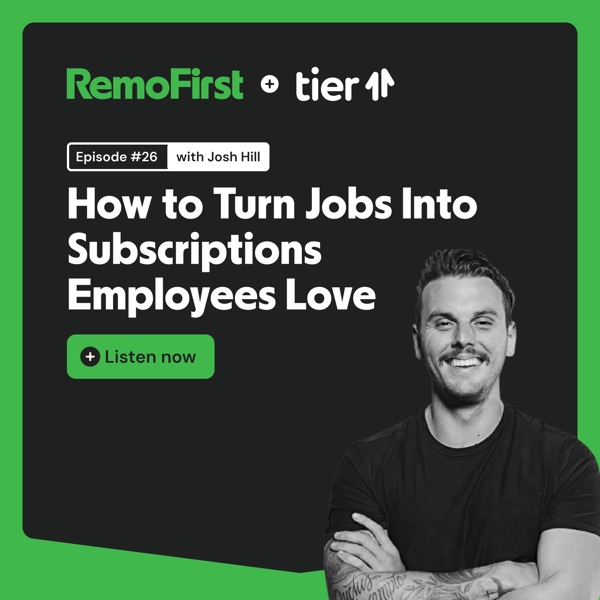
What makes a role worth choosing, and worth staying in.
Listen to the conversationHow we design paid, role-specific Work Simulations: agree the criteria, prepare the candidate, observe relevant work and compare the evidence.
Open the guideDefine the role, understand the person it needs, then explore the full method.
Move from an interview to a useful sample of real work.
Explore what a hiring fee pays for and what a poor match costs.